We are witnessing an extraordinary transformation in medicine. Artificial intelligence, genetics, cellular research and neuroscience are expanding our understanding of the human body and opening new possibilities for preserving health.
Living beyond 100 is already a reality for some people. The next scientific challenge is helping more people reach advanced ages with health, independence and quality of life.
The future still holds extraordinary discoveries. We want to help you understand them.
Deisseroth, Hegemann and Nagel received the 2026 Nobel Prize in Medicine for light-gated ion channels and optogenetics. This note follows the official release: it is neuroscience, with a clinical attempt in the retina, and not evidence that life is extended.
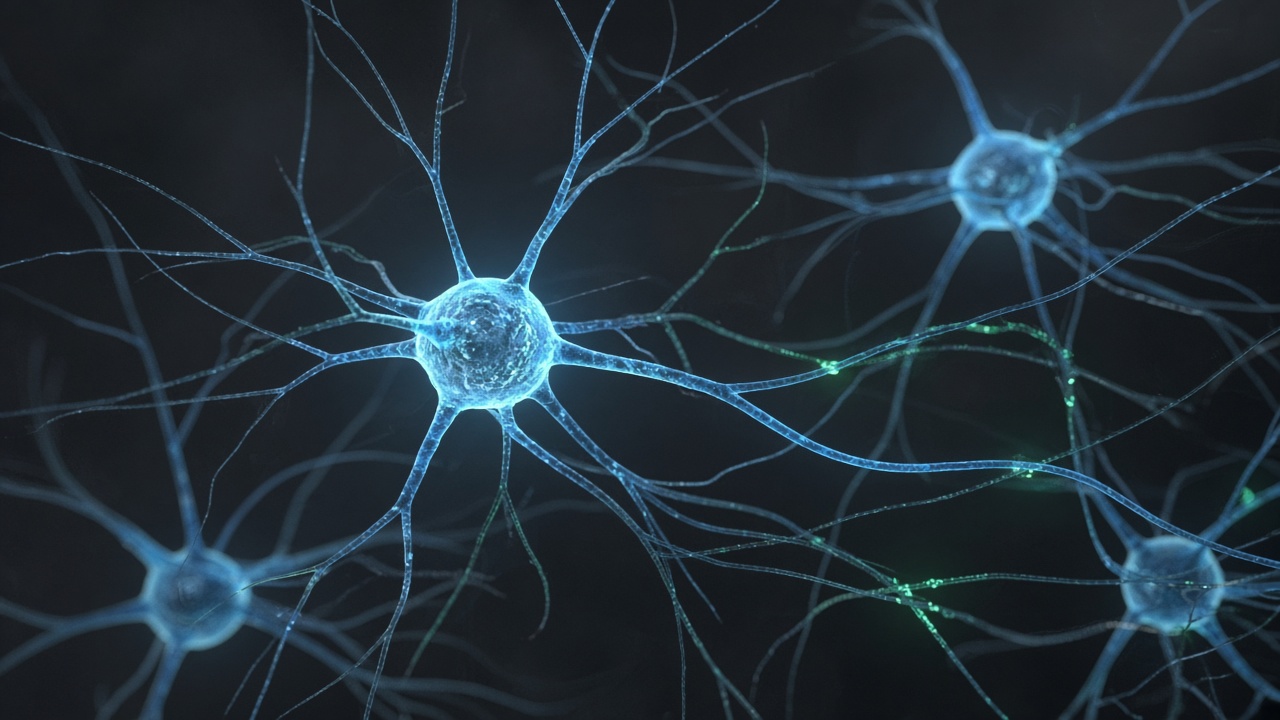
Conceptual illustration of neurons and blue light, made for this site. Not a photograph of an experiment and not a figure from a paper.
WHY DON'T DIE NOW?
Healthspan and lifespan
Lifespan is how long a life lasts. Healthspan is how long a person can keep doing what they value. WHO defines healthy ageing as developing and maintaining the functional ability that enables wellbeing in older age. Extra years are not automatically years in good health.
Living past 100
Some people already live beyond 100. That fact is not a promise, and it is not a result this site assigns to a therapy. WHO notes that the share of life spent in good health has stayed broadly constant, so added years can be years of poor health.
Geroscience
Geroscience studies the biological processes that accompany aging. A 2025 review in Cell, by Kroemer and colleagues, describes a shift from that study toward what they call precision geromedicine. The paper is a review. It is not evidence that human aging has been stopped or reversed.
Cellular senescence
Senescent cells stop dividing and can stay active. An NIH news release on the SenNet consortium describes a framework, including senotypes, for cataloguing those cells, and it calls senolytics experimental drugs aimed at removing some of them. A 2025 Nature Aging commentary discusses a more personalized approach to senolytic trials. Neither source shows that clearing senescent cells extends human life.
Epigenetic reprogramming
Partial reprogramming is studied as a way to shift epigenetic marks. This site does not present it as a proven way to reverse human aging. A company press page, such as the Life Biosciences releases, is a company announcement. It is not a peer-reviewed result.
AI in medicine
A 2025 Nature Medicine review follows artificial intelligence across drug development, from targets to trials. The authors describe early gains in how the work is done, and they also describe the limits. A model is not a treatment, and it is not evidence of a longer human life.
Genetics and exceptional longevity
People who live exceptionally long are studied for genetic and molecular patterns. The Cell review maps that kind of question inside geroscience. This page does not name a gene as the reason someone lives past 100.
Neuroscience
Light-sensitive tools are used in neuroscience and, in specific trials, in retinal disease. That is not evidence of a longer human life. Tissue repair is a separate research line. Outside a defined medical indication, it is not a consumer longevity service here.
What is established, and what is not
Sleep, physical activity and a sufficient diet have a broader human evidence base than experimental senolytics, reprogramming, or a supplement sold as a way to live longer. WHO includes regular activity, a balanced diet and not smoking among behaviours that lower the risk of noncommunicable disease. They do not guarantee old age.
This card opens optogenetics: light-sensitive tools in neuroscience and, in specific trials, in retinal disease. Tissue repair sits on a separate page and is not a consumer longevity service.
Reaching a very old age is possible for some people. It is not guaranteed, and it is not a product.
WHO describes healthy ageing as functional ability: the chance to be and do what a person values. The same sources note that additional years of life are not automatically years in good health.
Regular physical activity, a balanced diet and not smoking are among the behaviours WHO links to a lower risk of noncommunicable disease and to delaying care dependency. Sleep and strength training belong in that same established layer on this site.
Emerging work — senescence atlases, experimental senolytics, epigenetic reprogramming, AI in drug development — is research. A company announcement is not a clinical result. None of it is presented here as a way to stop human aging.
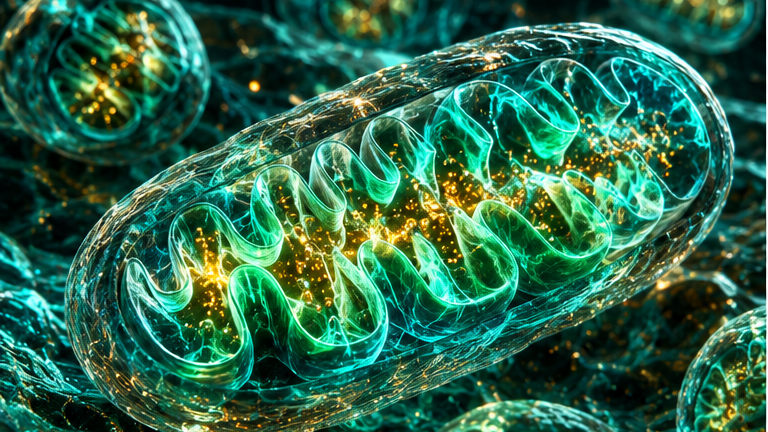
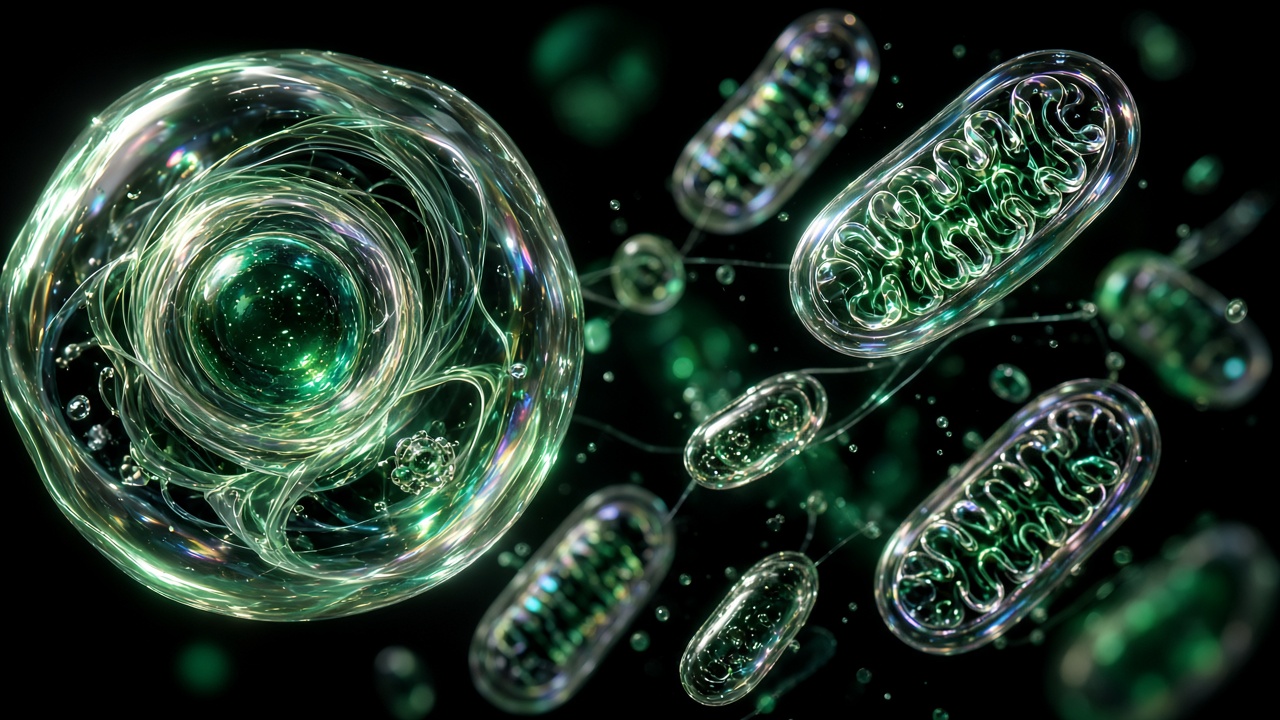
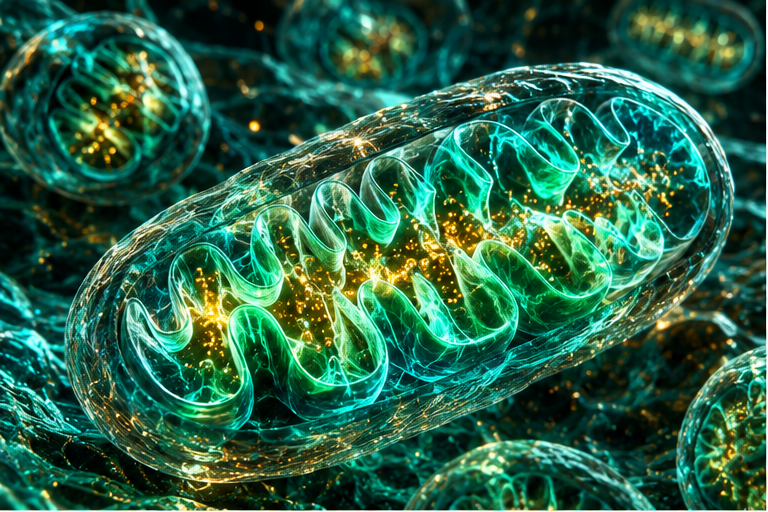
Mitochondria make most cellular ATP and change with age. Repairing them in people remains unproven as a longevity method. Human lifespan extension is not established here. A disease approval is not an anti-aging approval.
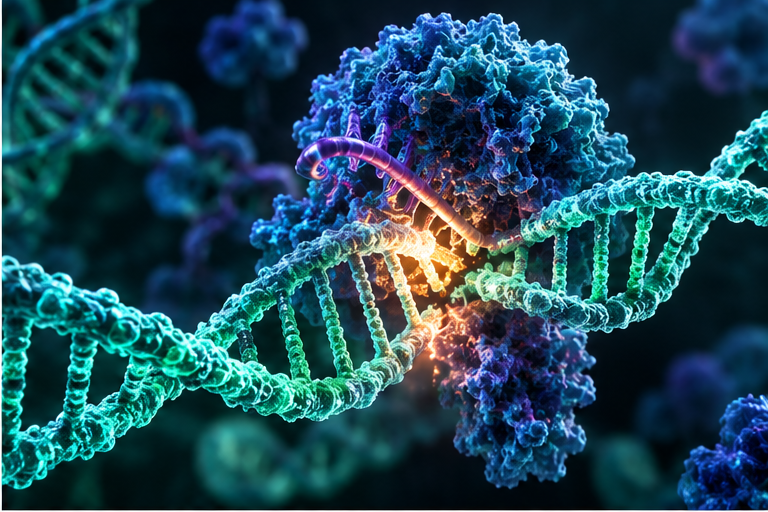
CRISPR edits DNA sequences. A clinical use in one disease is not a license for anti-aging gene editing. Human lifespan extension is not established here. A disease approval is not an anti-aging approval.
Light-sensitive tools are used in neuroscience and, in specific trials, in retinal disease. That is not evidence of a longer human life. Human lifespan extension is not established here. A disease approval is not an anti-aging approval.
Cells that stop dividing and can secrete inflammatory signals. Whether every senescent cell should be removed is not settled on this site. Human lifespan extension is not established here. A disease approval is not an anti-aging approval.
mTOR is a nutrient-sensing pathway studied with rapamycin in models and in disease trials. This site gives no dose and no recommendation. Human lifespan extension is not established here. A disease approval is not an anti-aging approval.
CAR T cells aimed at senescent cells have been reported in mice. This site does not turn that report into a human therapy. Human lifespan extension is not established here. A disease approval is not an anti-aging approval.
Conceptual visualizations. Not photographs of experiments and not figures from papers. Evidence grades stay in the Longevity Explorer. A disease study is not an anti-aging approval. Explorer
Educational information, not medical advice. This site does not publish experimental protocols for personal use and does not recommend genetic therapies, senolytics, or experimental drugs.
Science
Articles on longevity, NAD+, geroscience, nutrition, exercise, sleep, and biotechnology, with evidence level and sources.
How long we live healthy, active, and independent.
Contemporary geroscience is increasingly focused on improving healthspan, not on promising a longer life at any cost. Understanding aging is not the same as claiming it can already be stopped.
Map
Healthspan at the center
HEALTHSPAN
Cellular energy
Cells produce and spend energy all day. NAD+ takes part in that accounting. Measuring a metabolite is not the same as changing the course of aging.
After the evidence
Biological functions, not a shelf
If a product appears later, the order is science, evidence, education, and only then an option. Today these categories name neither a brand nor a bottle.
Cellular energyMitochondrial supportHealthy agingMetabolic healthSleep and recoveryFoundational nutrition